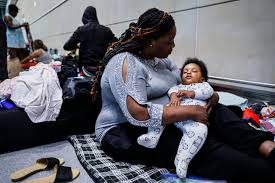




Doula’s Tough Life in the USA
Behind the calm voice in a delivery room and the steady hand holding a laboring mother’s shoulder is a profession that often goes unseen and undervalued. Doulas play a powerful role in supporting families through pregnancy, birth, and postpartum recovery. Yet, despite the emotional depth and physical demands of their work, many doulas in the United States live a tough and often unstable professional life.
Emotionally Demanding Work, Little Recognition
A doula’s job is rooted in emotional labor. They support families during some of the most intense moments of their lives—long labors, emergency births, traumatic experiences, and postpartum depression. Doulas absorb fear, pain, grief, and joy, often in the same day.
Despite this, doulas are not recognized as medical professionals in most states. Their contribution is frequently dismissed as “extra support” rather than essential care. This lack of recognition can be deeply discouraging, especially when evidence consistently shows that doula support improves birth outcomes.
Financial Instability and Low Pay
One of the hardest realities for doulas in the USA is financial insecurity. Many doulas are independent contractors with no fixed income, benefits, or job protection. They may be on call 24/7, cancel personal plans, miss holidays, and lose sleep—yet still struggle to make a living wage.
Insurance rarely covers doula services. As a result, doulas often rely on private clients who can afford out-of-pocket fees, limiting access for low-income families and reducing consistent work opportunities. Many doulas take on additional jobs or leave the profession entirely due to burnout and financial stress.
Physical Exhaustion and Burnout
Birth does not follow a schedule. Doulas may attend labors that last 12, 24, or even 36 hours with little rest. Postpartum doulas often work overnight shifts, supporting families while running on minimal sleep themselves.
Over time, this physical exhaustion—combined with emotional strain—leads to high burnout rates. Without healthcare benefits, paid leave, or mental health support, many doulas silently push themselves beyond healthy limits.
Systemic Barriers and Inequality
Doulas of color face even greater challenges. While they are often deeply trusted within their communities and serve families at higher risk of poor maternal outcomes, they encounter systemic racism, underpayment, and limited access to funding or institutional support.
Ironically, communities that need doulas the most are the ones least able to afford them—creating a painful gap between care and access.
Lack of Legal and Workplace Protection
In most states, doulas have no legal protections. They can be denied access to hospitals, restricted by hospital policies, or excluded from birth rooms with little explanation. There is no standardized regulation, which can leave doulas vulnerable to exploitation or unsafe working conditions.
Why Doulas Still Continue
Despite all this, many doulas stay. They stay because they believe in birth justice. They stay because they witness the power of informed, supported parents. They stay because they know their presence can change a birth experience—and sometimes a life.
Their resilience is admirable, but resilience should not be a requirement for survival.
A Call for Change
Improving the lives of doulas in the USA requires systemic change:
-
Insurance coverage for doula services
-
Fair compensation and sustainable workloads
-
Hospital policies that respect doulas as part of the care team
-
Support for community-based and minority doulas
-
Legal recognition and workplace protections
Supporting doulas is not just about supporting a profession—it’s about improving maternal health, reducing birth trauma, and building a more humane healthcare system.
Final Thoughts
The life of a doula in the USA is deeply meaningful, but undeniably tough. Until their work is valued with the respect, pay, and protection it deserves, doulas will continue to carry the emotional and physical weight of birth in silence.
And yet, every day, they show up—strong, compassionate, and committed—because families need them.